
About Nica Premium
Documenting Nicaraguan food as a living tradition
We are a bilingual editorial guide to the dishes, ingredients, and kitchen culture of Nicaragua. We start with what is on the plate and follow the story back to the people who cook it.
Everyday cooking
Cooking as a household practice
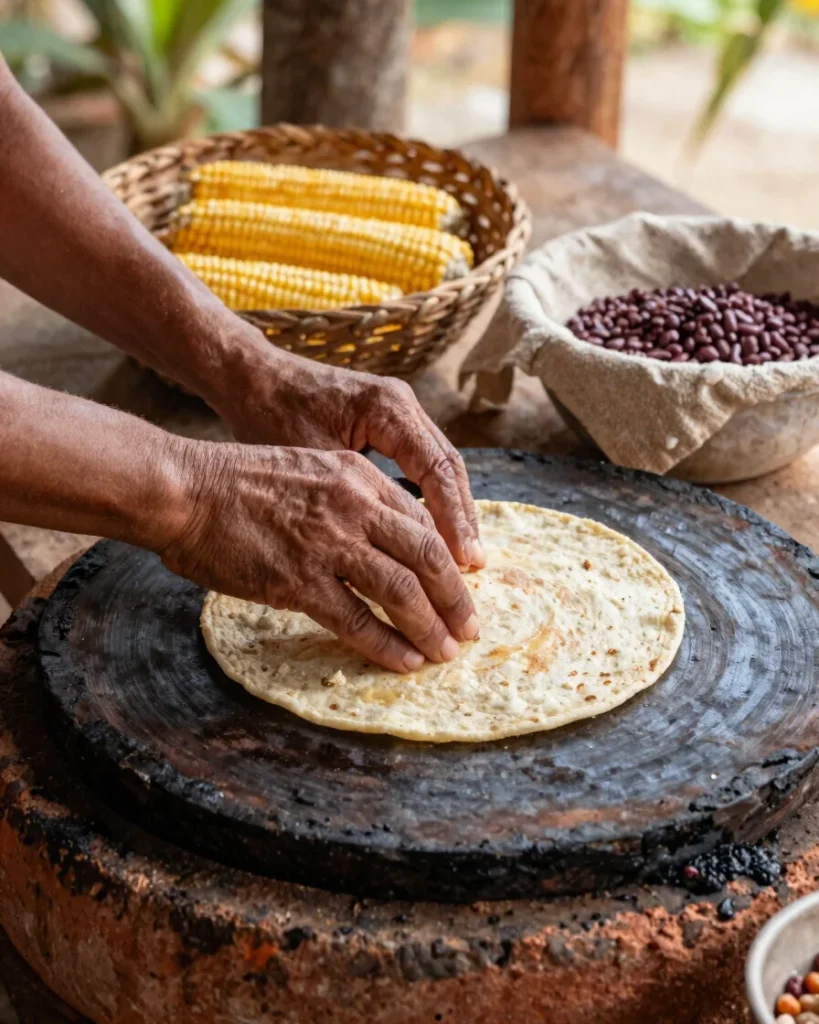
Corn, beans, and plantains anchor daily meals across Nicaragua, and their preparation changes with each region. Many families still grind corn by hand, toast beans slowly, and shape tortillas at the start of the day, passing these habits from one generation to the next. Markets remain central to this culture. Shoppers choose ingredients by season and by the vendor they trust, and cooks often decide what to make only after seeing what is fresh.
We document these routines as living household knowledge rather than museum pieces. The techniques are still in use, adapted to kitchens and ingredients that continue to change.
Stories behind the food
Gatherings, roots, and the dishes that mark them
Many traditional preparations are tied to family gatherings, seasonal celebrations, and the regional exchange that has shaped Nicaraguan cooking for centuries. Indigenous agricultural knowledge of corn, beans, and native plants forms the foundation, while later influences arrived through trade and migration and were absorbed into local kitchens. These dishes carry memory. Recipes are passed along through conversation as much as written instruction, so the details of who taught whom and why a dish is made a certain way matter as much as the ingredients.
Clear bilingual publishing keeps this knowledge open to readers in English and Spanish alike. Our aim is to explain the context of each dish in plain language, so that the food can be understood on its own terms.