
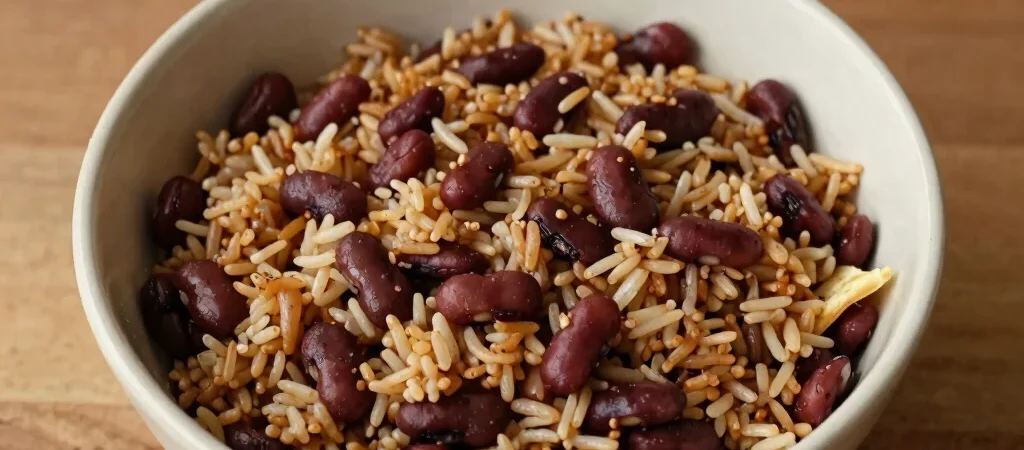
A bowl of cooked rice in the refrigerator can be the start of breakfast. In Nicaragua, gallo pinto brings rice and beans together in a skillet, turning familiar staples into a dish with its own rhythm and texture. It is a useful place to begin understanding everyday Nicaraguan cooking.
Why Yesterday’s Rice Works
Rice that has cooled overnight tends to separate more easily than freshly cooked rice, which helps it mingle with the beans without becoming too soft. The beans add color and moisture, while a little cooking liquid can help bring everything together. The aim is not a single correct texture; it is a skillet where the two ingredients are well acquainted.
Onion is a common starting point, and some cooks add sweet pepper or other seasonings. The proportions and finishing touches vary from kitchen to kitchen. That flexibility is part of the point: gallo pinto is built from staples, then adjusted to what a household likes and has on hand.
A Breakfast With Its Own Shape
Gallo pinto is often served at breakfast, but the dish is not defined by one fixed set of companions. Eggs, cheese, tortillas, or plantains may share the plate, depending on the meal and the household. Each adds a different contrast without taking away the central role of rice and beans.
For a first attempt, cook the onion until softened, add cooked beans, then fold in the rice and heat it through. Taste before adding more salt, especially if the beans were seasoned already. In our English and Spanish guides, we explain the cooking cues as well as the ingredients, so the dish is easier to follow in either language.